

Toyota FWD, AWD, 4WD Explained for Drivers
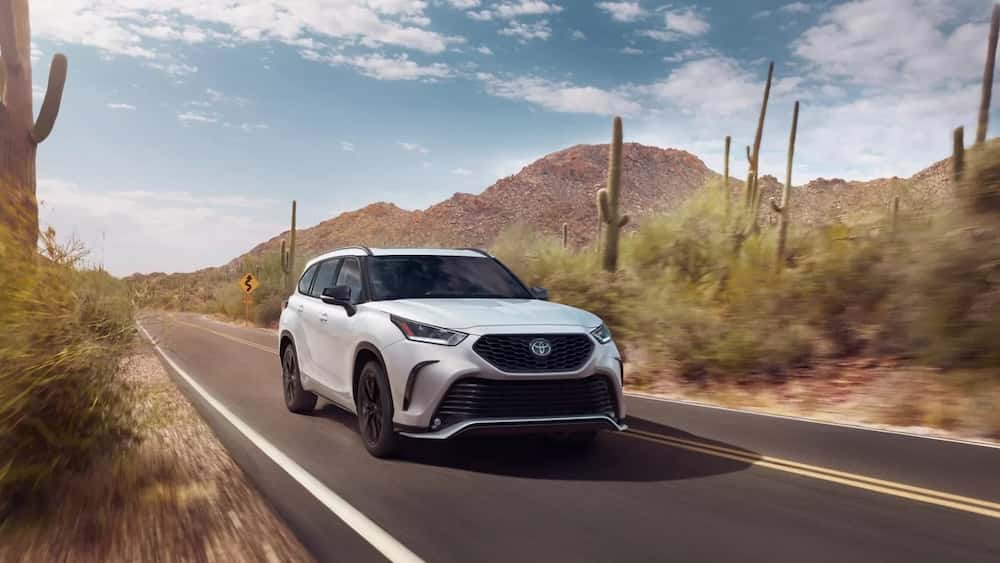
When shopping for a new vehicle, one of the most important decisions you’ll make—beyond the color or the tech—is the drivetrain. Whether you are navigating the sudden lake-effect snow in Oneida, New York, or commuting through the rainy streets of a busy city, how power reaches your wheels dictates your safety, fuel economy, and confidence on the road.
At NYE Toyota, we know that acronyms like FWD, AWD, and 4WD can be confusing. This guide breaks down the mechanics and benefits of each to help you choose the perfect match for your lifestyle.
Drivetrain Basics: How Power Reaches the Wheels
A drivetrain is the group of components that deliver power from your engine (or electric motor) to the wheels. While all cars use a transmission to manage speed, the drivetrain decides which wheels do the work.
- FWD: Power goes to the front wheels only.
- AWD: Power is automatically sent to all four wheels as needed.
- 4WD: Power is mechanically locked to all four wheels, often with specialized gear ranges.
What Is Front-Wheel Drive (FWD)?
Front-Wheel Drive is the most common drivetrain for modern sedans and crossovers. In this setup, the engine and transmission are usually located at the front of the vehicle, pulling the car forward.
Benefits of FWD
- Fuel Efficiency: Because FWD systems are lighter and have fewer moving parts, they typically offer the best MPG.
- Traction: The weight of the engine sits directly over the drive wheels, providing solid grip in rain and light snow.
- Space: Without a bulky driveshaft running to the back, FWD vehicles often have more interior legroom. Common Vehicles: Toyota Camry, Toyota Corolla, and FWD versions of the Toyota Highlander.
What Is All-Wheel Drive (AWD)?
All-Wheel Drive is a “smart” system designed for the everyday explorer. It provides power to all four wheels automatically without any input from the driver.
Modern systems, like the Toyota Highlander AWD system, use Torque Vectoring. This high-level technology can shift power not just between the front and rear axles, but also between the left and right back wheels to help you “rotate” through a corner more smoothly.
Benefits of AWD
- Hands-Free Operation: The car’s computer monitors wheel slip and engages the rear wheels immediately.
- Enhanced Stability: Ideal for patchy ice, heavy rain, and light off-roading like gravel or dirt paths.
- Confidence: It provides superior acceleration from a stop on slick surfaces.
What Is Four-Wheel Drive (4WD)?
Often found on trucks and rugged SUVs, Four-Wheel Drive (or 4×4) is built for extreme environments. Unlike AWD, 4WD often requires the driver to manually engage the system via a dial or lever.
Features of 4WD
- Transfer Case: A specialized gearbox that splits power evenly between the front and rear.
- High/Low Ranges: “4-Lo” provides maximum torque for rock crawling or getting through deep, unplowed snow.
- Ruggedness: Built to withstand the physical stress of heavy towing and steep grades. Common Vehicles: Toyota Tacoma and Toyota Tundra.
AWD vs. FWD vs. 4WD: Key Differences
|
Feature |
FWD |
AWD |
4WD |
|
Best Surface |
Paved Roads |
Snow/Rain/Gravel |
Deep Mud/Rocks/Off-Road |
|
Fuel Economy |
Best |
Good |
Moderate |
|
Maintenance |
Lowest |
Moderate |
Higher |
|
Engagement |
Always On |
Automatic |
Manual/Selectable |
Which Drivetrain Is Best for Daily Driving?
-
For City Commuting: FWD is the champion of the daily grind, saving you money at the pump.
-
For Winter Weather: AWD is the gold standard for drivers who face unpredictable snow but stay on plowed roads.
-
For Outdoor Lifestyles: If you’re towing a boat or heading to remote trailheads, 4WD is the top choice.
Is AWD Worth It?
For many drivers at NYE Toyota, the upgrade to AWD is a high-value investment. While FWD is enough for mild climates, AWD is worth the cost if:
- You live in a region with frequent snow or heavy rain.
- You want the highest possible resale value for your SUV.
- You frequently drive on dirt or gravel roads.
Experience the Difference at NYE Toyota
Whether you need the efficiency of a front-wheel-drive sedan or the polished Toyota Highlander AWD system, we have the inventory to match your needs. From the family-ready Highlander to the trail-conquering Tacoma 4WD, our team can help you test drive each system to see which feels right for your commute.
More from NYE Toyota
Why Toyota Dynamic Cruise Control Changes Driving
Photo Source/Copyright: JD Power You know the interstate accordion effect: you set your cruise at 70 miles per hour (MPH), but the car ahead drifts to 62 MPH, crawls back up, and drops again, leaving you tapping the brake and resetting cruise constantly. It is exhausting. Toyota’s answer is Dynamic Radar Cruise Control,…
Explore The Full Toyota Sedan Model Lineup
Photo Source/Copyright: Toyota Plenty of automakers quietly walked away from four-door cars. Toyota didn’t. Its current sedan lineup covers four distinct roles, from a straightforward compact commuter to a lifted, all-wheel-drive (AWD) flagship that looks like nothing else in the parking lot. Outside of a single gas-only trim, everything runs on hybrid power,…
What To Know About Electric Toyota Cars
Photo Source/Copyright: Toyota If you walk onto a dealership lot searching for a sleek electric Toyota sedan, you’ll end up empty-handed. Toyota bet entirely on crossovers for its U.S. battery-electric lineup. That isn’t a drawback; it means command-of-the-road seating, practical hatchbacks, and available all-wheel drive (AWD) across the board. The current lineup centers on…